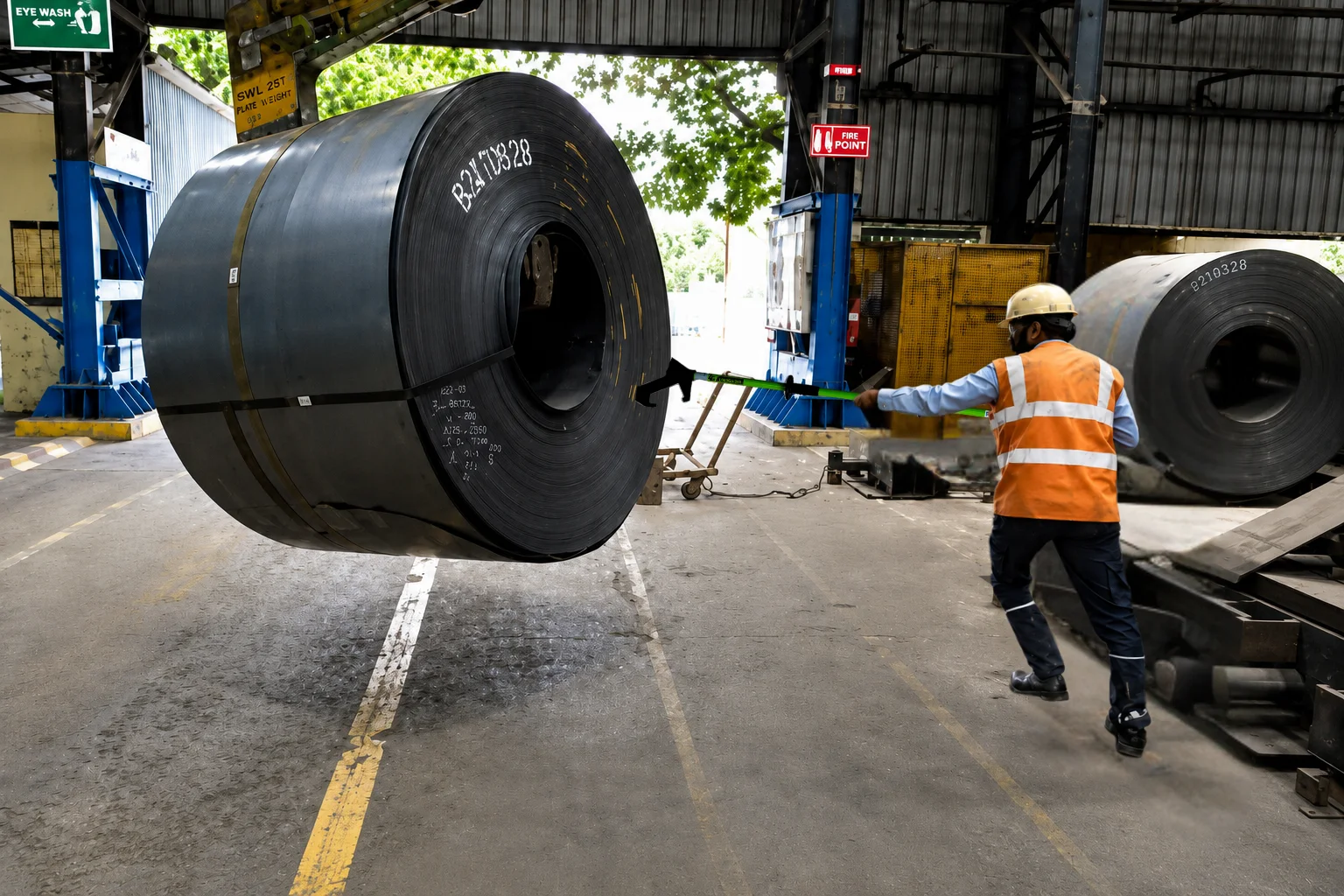
What is a push–pull stick?
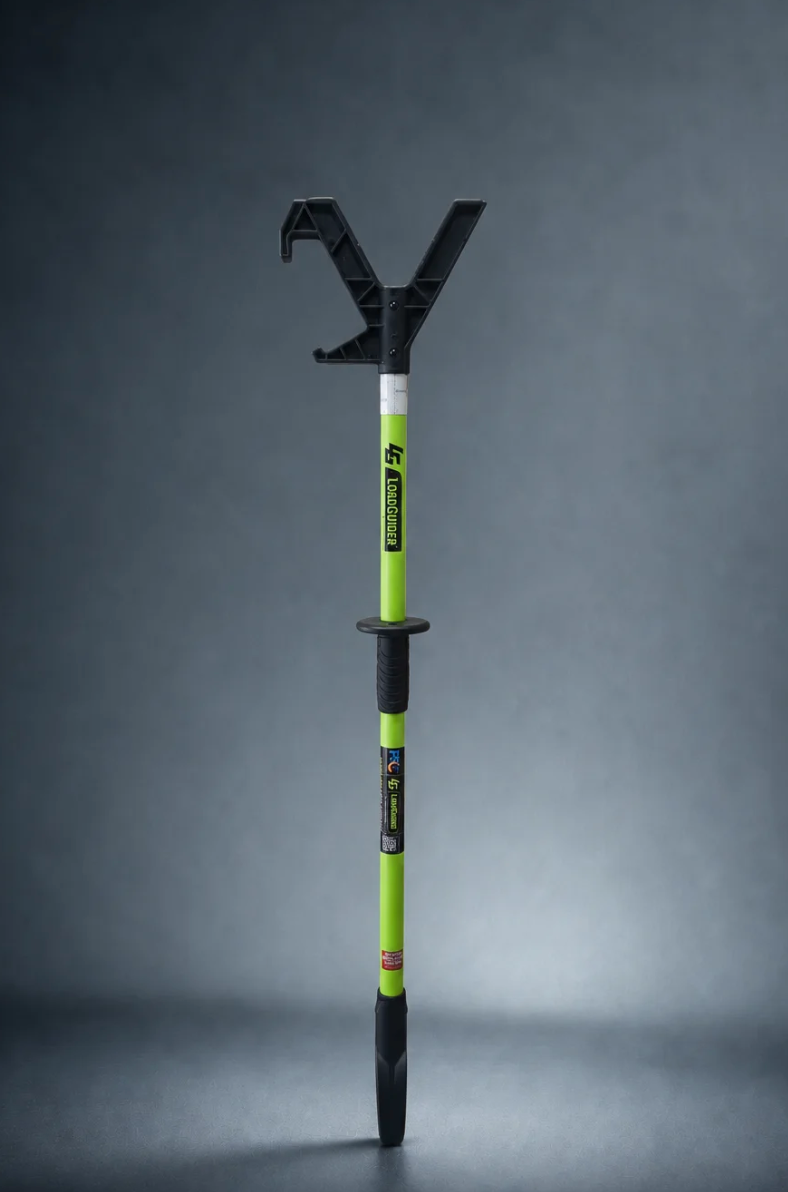
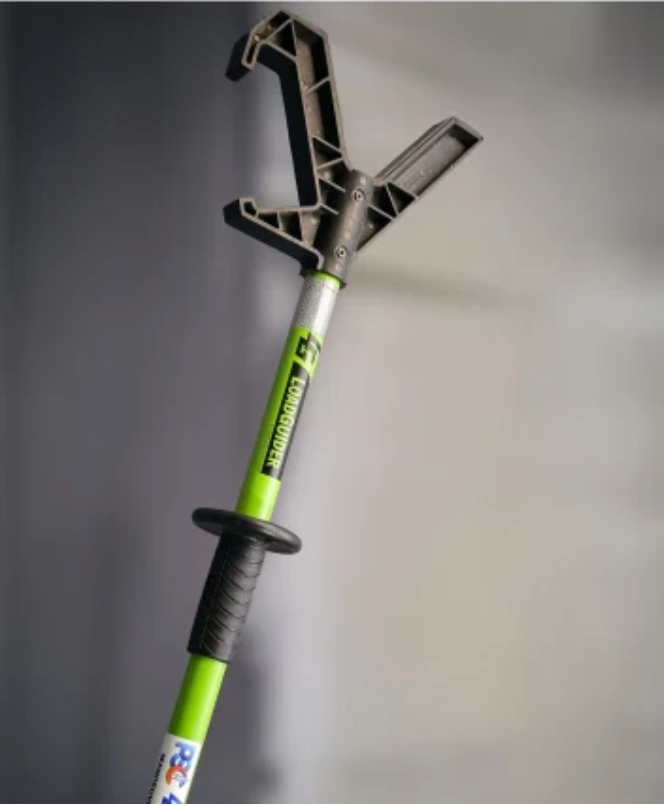
A push–pull stick (also called a push/pull pole, guide pole, push-pull tool, or no-touch pole) is a non-conductive, lightweight pole (fibreglass, wood or composite) with a shaped head (hook, fork, cup or soft pad) used to guide, spot and land suspended loads and to handle slings without putting hands or bodies near the load. It enables “hands-free” or “no-touch” handling of slings and load edges.
How it’s used to guide and position suspended loads
Attach rigging (do not rely on poles to connect slings). Ensure lift plan and toolbox talk confirm the use of a guide pole.
Keep the pole between worker and load — use the pole to push, pull, nudge or steady the load from a distance rather than placing hands on the load or rigging. Use two-hand grip for control.
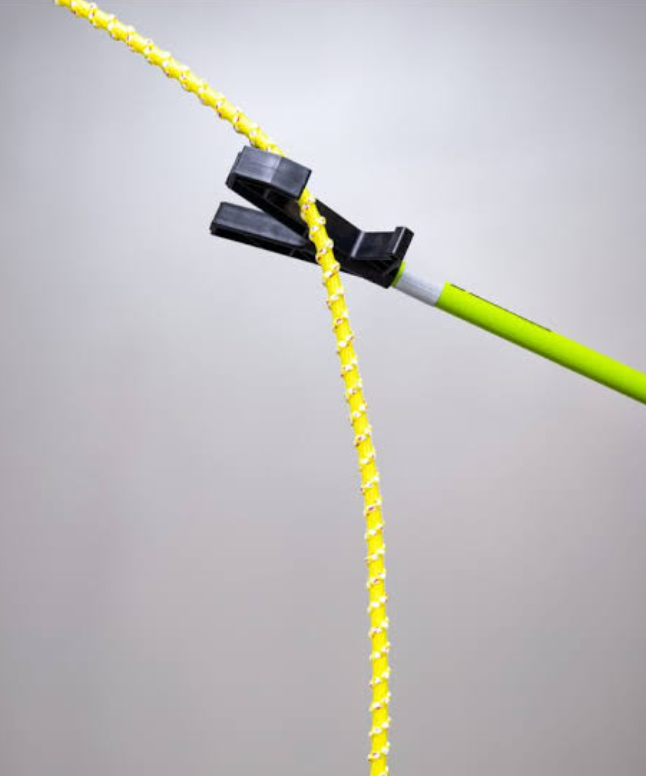
Use the pole to snag or control and sling legs (pulling them out of the way or stabilizing rotation) so workers never put fingers into pinch/crush zones.
Communicate with crane operator/spotters (hand signals or radio) while guiding — pole usage does not replace signalling or landing procedures.
After landing, chock/block the load and stow the pole. Inspect pole before/after use.
How push–pull sticks mitigate hand/finger and caught-between injuries
Distance from pinch/crush points: The pole physically prevents workers from reaching into the hook, sling, or load gap where fingers are crushed or pinched. This is the primary protective mechanism.
Control of uncontrolled motion: By stabilizing rotation and swing, poles reduce sudden motions that can trap hands between load and structure or between moving components.
Reduces need to grab slings: Poles allow snagging/handling of slings without manual contact — removing direct hand exposure to “caught-between” hazards.
How the pole keeps workers out of the fall (fall-zone) area
Extends handler’s standoff distance: A pole lets the handler operate farther from the vertical projection (fall zone) of the suspended load. Guidance for commonly recommends keeping handlers at a distance multiple times the lift height (see length guidance below) so they are outside the area where a dropped load or falling debris would land.
Avoids being underneath the load: Using poles supports the rule: never stand under a suspended load — the pole enables movement and alignment from the side, not below. Operational discipline to back away after making adjustments is still required.
Recommended length: how long should a push–pull stick be for a given lift height?
To keep workers outside the fall zone while maintaining load control, industry practice recommends:
Minimum reach: ≈ 1.5 × lift height
Preferred (conservative): Keep handlers 2–3 × lift height away from the load
For push–pull sticks, choose a length that allows this safe standoff:
Pole length ≈ Required safe distance − worker reach (0.6–1.0 m)
Practical Use
Ideal for low to moderate lifts (e.g., 3 m lift → ~4–5 m pole)
For taller lifts (e.g., 10 m and above), rigid poles become impractical—use long remote guiding and maintain 2–3× lift-height clearance.
Additional safe-use recommendation
Inspect before use (cracks, loose heads, worn tips). Replace damaged poles.
Use gloves, eye protection and non-slip footwear. Even with a pole, PPE reduces residual hazards.
Never use a pole to support the load — poles are control tools, not load-bearing devices. Do not hook a pole under load to lift or carry weight.
Secure poles when not in use (stow to avoid trip hazards).
Do not tie multiple ropes/poles together to extend reach in ways not intended by manufacturer; use purpose-designed longer or mechanical/remote options.
Limitations
Tall lifts where safe standoff requires very long reach — use remote control.
High wind or unstable loads — pole control may be insufficient; technical rigging solutions required.
Why Hands-Free Load Control Matters
Hand and finger injuries make up a large portion of industrial accidents, especially during load landing, alignment adjustments, handling, and last-minute positioning.
Direct contact with suspended loads exposes workers to serious hazards such as caught-between incidents, crush injuries, amputations, and struck-by accidents.
The PSC LoadGuider removes the need for direct contact by extending the operator’s reach, creating a safe physical barrier between the worker and the suspended load.
How the PSC LoadGuider® Prevents Injuries
The PSC LoadGuider protects hands and fingers by keeping them away from sling legs, sharp edges, and pinch points—eliminating last-second grab injuries.
It reduces caught-between risks by allowing safe nudging and positioning from a controlled distance, without placing hands between the load and structures.
Available in 21”–96” lengths, it helps keep workers outside the fall zone, supporting industry-recommended safe standoff distances.
The tool also improves control and stability, enabling precise alignment, minimizing load swing, and increasing operator confidence.
Technical Specifications
Body Material: Fiberglass Shaft
Head Material: Durable Nylon
Additional Components: Industrial-grade plastics
Push Capacity: Up to 300 kg
Pull Capacity: Up to 150 kg
Available Lengths: 21”, 42”, 50”, 72”, 96”
Typical Weight (50” model): 900 grams
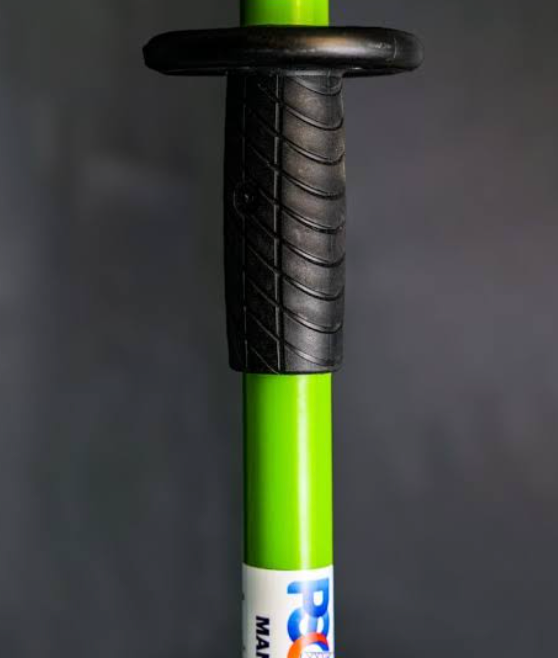
Lightweight. Corrosion-resistant. Ergonomic D-handle for secure grip.
Choosing the Right Push Pull Stick Length
Choosing the correct push–pull stick length is essential for safe lifting operations.
Up to 1.5 m lift: 21”–42”
1.5–3 m lift: 42”–50”
3–5 m lift: 50”–72”
Above 5 m: 72”–96” (use with tagline)
Longer sticks provide greater standoff distance, helping keep workers out of red zones and reducing exposure to pinch, crush, and fall hazards.
Safety Guidelines
Never touch a suspended load directly.
Stay out of the red zone beneath loads.
Use tool for guiding only — not load-bearing.
Inspect before each use.
Do not use near live electrical sources unless rated.
Always follow site lift plan and JSA.
Why Choose PSC LoadGuider®?
Engineered specifically for industrial lifting safety
Designed to support hands-free safety culture
Reduces recordable hand injuries
Improves operational efficiency
Built for durability in extreme environments
PSC LoadGuider is more than a tool — it is a commitment to zero hand injuries.
Part Numbers
PSC-LG-21
PSC-LG-42
PSC-LG-50
PSC-LG-72
PSC-LG-96
Protect Your Team — Choose PSC LoadGuider
Protect Your Workforce. Prevent Injuries. Go Hands-Free Today.
📞 +91 9603166448
HANDS-FREE SAFETY TOOL FOR SUSPENDED LOADS-PSC LOADGUIDER® PUSH PULL STICK
Phone
+91 9603166448
@2026. All rights reserved.
Website